
SolventRS Metal Tech Blog
VCI Paper for Ammunition and Defense Storage: Why CorShield VpCI-146 Has Been Protecting Brass, Steel and Copper Since 1998
Ammunition corrodes like any other metal assembly, only with higher stakes A loaded cartridge is a small multimetal package: a brass or brass-plated steel case, a copper or copper-alloy jacket, a steel or lead core, a primer cup and a crimp. Store it in a humid...

Forklift and Plow Truck Rust Prevention: A Fleet PM Recipe
A forklift that spends two years inside a food plant with brine on the floor, or a plow truck that spends every winter in road salt, comes back looking ten years older than the hour meter says. The mast rusts at the slides, the frame rusts along every weld, the wiring...

Engine Hot-Test Rust: Fix It in the Coolant, Not the Dryer
An engine comes off the hot-test stand, the coolant is drained, and by the time it reaches the shipping dock the water left in the jacket has evaporated and left a bloom of red rust on the passages. Nobody sees it until a customer pulls a freeze plug, or a warranty...
Storing Equipment Outdoors for a Year or More: The VpCI Layup Method Used on Turbines and Military Vehicles
Two case histories, one method Cortec published two pieces in recent weeks that describe the same preservation method applied to very different assets. One is an article on protecting turbines during transport, layup and outdoor storage, with field results from three...
Engines That Rust After Hot Testing: The Cooling-System Additive Diesel Builders Are Standardizing On
If you build engines, you already know the problem even if you have never put a name to it. The engine runs on the hot test stand, it passes, it gets drained, and it goes to the yard or into a container. Weeks or months later it comes back out with rust inside a...
Winterizing the Cooling Tower While the Boiler Comes Back On: Two Corrosion Steps Most Fall Checklists Skip
In most Illinois and Wisconsin plants, the same two weeks in October carry two opposite jobs. The cooling tower or chiller comes down for the season, and the boiler comes back up. Both jobs usually have a checklist. Neither checklist usually has a line on it for...

Salt, Fertilizer and Coal Yard Loaders: VpCI-391 or EcoShield 386
A front-end loader that works a deicing salt pile, a fertilizer dock or a coal yard looks ten years old after one season. The paint chalks and lifts, the bolt heads and hydraulic boxes bloom with rust, and the trade-in value goes with them. Fleet managers on the Ohio...
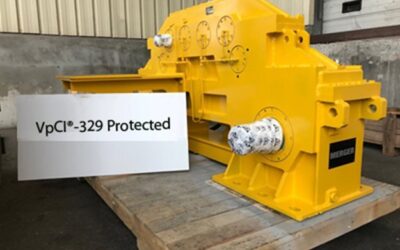
Gearbox Shipping: 0.3% VpCI-329 Instead of a Full Oil Fill
A gearbox that leaves the plant with an empty case rusts on the teeth and bearing races above whatever oil film drained off in the first day. The traditional answer is to ship it full of oil, which means paying to fill it, paying to ship the weight, declaring the...
Clean Once, Package Right, Never Re-Clean: How VpCI Packaging Takes the Wash Line Out of Receiving
The hidden cost of shipping parts in oil Most machined and stamped parts still leave the plant the way they did forty years ago: dipped or sprayed with a rust preventative oil, dropped in a poly bag or a wax paper wrap, and boxed. It works, but it moves a job...
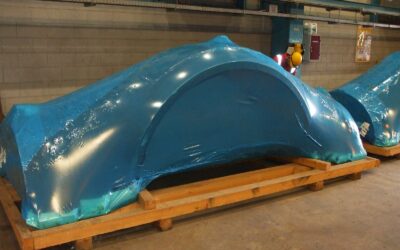
MilCorr VpCI Shrink Film: The Outdoor Wrap That Took a Hurricane
The question we get about outdoor preservation is never whether the film keeps rain off. It is whether the wrap will still be there after a season of Midwest wind, ice and sun, or whether somebody will drive past the yard in March and find blue plastic in the fence...
A Nitrogen Blanketing Alternative That Nobody Has to Monitor: Fogging Idle Equipment with VpCI®-337
Nitrogen blanketing costs money, needs constant monitoring, and can asphyxiate. Waterborne VpCI fogging protects idle tanks, vessels and HRSGs without any of it.
Water-Based Rust Preventative Cut Costs 30%, Ended Slip Hazard
The rust preventive oil at the end of the line is usually doing its job. The parts do not rust. What it also does is drip off the rack onto the floor, drift as a mist onto every machine within twenty feet, put VOCs in the air, and hand the next operation a part that...
When Did Anyone Last Look at Your Rust Prevention Program? (A Free Review for Midwest Plants)
Working is not the same as right Cortec's tip of the month in August was aimed at its own customers, and it is blunt: if you use VCI packaging or rust preventative chemicals, have your process evaluated even if it is working 100 percent, because there are newer...
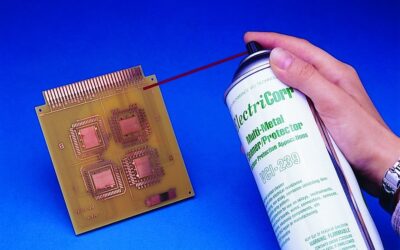
Stop HMI Control Panel Corrosion: ElectriCorr 239 and VpCI-111
The control panel on a lift station, a wastewater pump house, a wet-process line or a plant next to a rendering operation does not fail all at once. The HMI touch screen starts dropping inputs, a relay sticks, a terminal strip goes green, and one day the pump does not...
How to Apply Cortec® Boiler Lizard®: The Two-Minute Dry Layup Procedure (Video)
Cortec’s new demo video shows the whole Boiler Lizard dry layup procedure in under two minutes. Here are the steps, the dosage, and when dry layup is the wrong call.
De-Rust a Gearbox Without Disassembly: VpCI-422, 414 and M-531
Pull the inspection cover on a gearbox that has sat idle through a wet season and you can see it: a rust bloom on the gear faces above the oil line, orange streaks down the case walls, a film on the bearing housings. The gearbox is not worn out. Nothing needs...
Pink Poly vs Permanent ESD Bags: What the Surface Resistance Test Showed
Five bags off the internet, one pass Pink poly is the default answer for shipping anything with a circuit board in it. It is cheap, it is pink, and it says antistatic on the box. Cortec's film plant ordered five pink poly antistatic bags from online sellers and ran...
Industrial Sandblasting Robots: How Enclosed Robotic Blasting Cells Work
How enclosed robotic sandblasting cells hold a surface profile spec across a whole run, when they beat a turntable, and what to send us to spec one.
Spray Gun Washer Buyer’s Guide: Solvent vs. Water-Based, Manual vs. Automatic
Compare solvent and water-based spray gun washers, manual and automatic models, and see how recycling your gunwash pays for the machine.
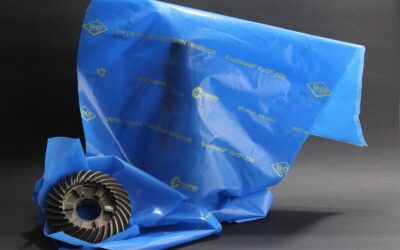
How an Automaker Packed 30,000 Engines for Two Years in VCI Bags
A build-ahead is the packaging engineer's worst assignment. The plant is going to build months or years of product in advance, put it in a warehouse nobody is going to heat or dehumidify, and expect every unit to roll onto the assembly line later without a rust spot....
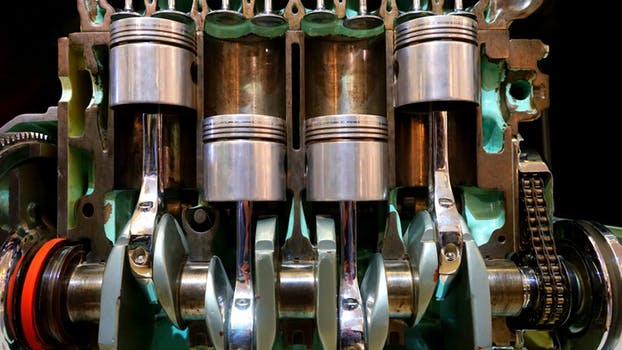
Ten More Years Out of Rusting Rooftop Units: A Rust Converter Primer System for Galvanized Steel You Cannot Blast
A rust converter primer, wash primer and 2K waterborne epoxy extended 100+ corroded rooftop air units by about 10 years. How the system works.
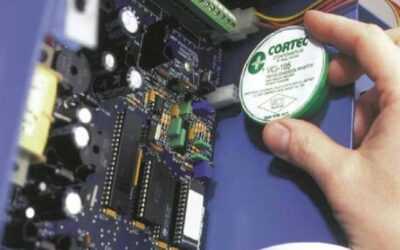
Nitrite-Free and Lab-Tested: What VIA Testing Tells You About a VCI Pouch
NACE TM0208 VIA testing compared three VCI pouches. Only the nitrite-free VpCI-308 passed. Here is what the test measures and how to spec it.
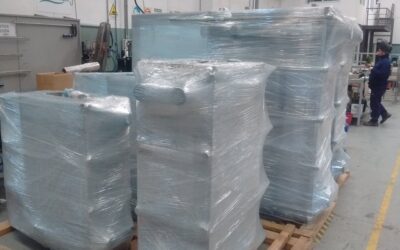
VpCI-337 Fogging Dose for Boiler Layup: 1 oz/ft³ vs Nitrogen
The boiler comes off line Friday and stays off for eight months, or three years, or until the market turns, and the maintenance engineer has to keep the tube banks, headers and downstream piping from rusting in the meantime. The usual answers are dry layup with...
Desiccant Alone Is Not a Rust Plan: Sizing Desicorr VpCI Pouches for Humid Shipments
What actually rusts a part in transit A part does not rust because the air is humid. It rusts because water condenses on it. A carton loaded in a warm plant at the end of a summer day, put in a trailer that cools overnight and then sits on a dock in the morning sun...
How to Prep and Pack Metal Parts for Rust-Free Shipment (Video, Step by Step)
Watch the process first Cortec put out a one-minute demonstration of the packaging routine we recommend to every shop that ships machined, stamped or remanufactured metal parts. It is short enough to show a packer on the floor, and it covers the three things that...