
SolventRS Metal Tech Blog
How to Prep and Pack Metal Parts for Rust-Free Shipment (Video, Step by Step)
Watch the process first Cortec put out a one-minute demonstration of the packaging routine we recommend to every shop that ships machined, stamped or remanufactured metal parts. It is short enough to show a packer on the floor, and it covers the three things that...
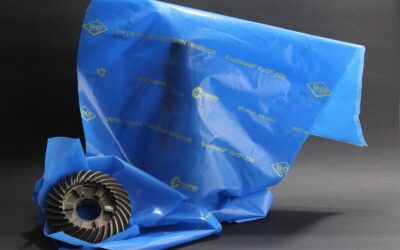
Clean, Protect, Ship Same Day: VpCI-422 and VpCI-415 De-Rust Line
Every spare-parts crib has a shelf of steel that has been there longer than anyone can remember. When a customer finally needs one of those parts, it comes down covered in surface rust, and the order that should have shipped this afternoon goes to the blast room or...
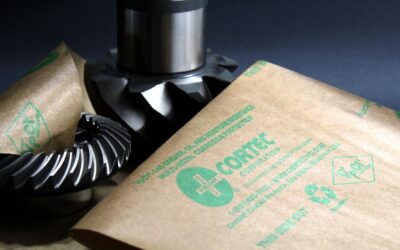
Surviving Midwest Rust Season: VpCI-146 Paper and VpCI-126 Bags
Every plant between Ohio and Iowa knows the calendar. Sometime in June the dew point climbs, the doors are open, the parts washer is running hot, and machined steel that sat clean on the rack all winter starts showing orange spots overnight. Maintenance calls it...
Parts Washer Cleaner Concentration: VpCI-414 at 0.5% Beat 5%
Most parts-washer sumps are run by habit. The cleaner concentrate goes in at whatever percentage the last drum label said, the heater is set where it was when the machine arrived, and the bath gets dumped when the parts start coming out oily or the operator cannot...
VCI Shrink Film: How to Choose It, and How to Tell You Got the Real Thing
Anything metal that sits outside — a skid of machined castings waiting on a truck, a gearbox in a laydown yard, a vehicle staged for ocean transit — is fighting two problems at once. Water and dirt have to be kept off it, and the moisture already trapped...
Aqueous vs. Solvent Parts Washers: When Each One Wins
Aqueous is not automatically the upgrade. Compare soil types, cleaning power, real operating cost, and compliance to pick the right parts washer for your shop.
Wet Lay-Up vs. Dry Lay-Up: How to Protect an Idle Boiler
An idle boiler corrodes faster than a running one. Compare wet and dry lay-up, when each applies, and where VpCI products fit into a seasonal shutdown.
How Long Does VCI Rust Protection Actually Last?
VCI film, paper, and emitters are rated for up to two years, but enclosure, ratio, and seal integrity decide the real number. Here is how to size it right.
What Does It Actually Cost to Dispose of Solvent vs. Recycle It?
Used solvent costs more than the hauling invoice shows. Here are the four real costs of disposal, and the math on when on-site recycling pays for itself.
Pneumatic vs. Mechanical vs. Hybrid: Choosing a Blast Room Media Recovery System
Every blast room lives or dies by one question: how does the abrasive get back to the pot? The recovery system is the single biggest driver of a blast room's cost, its floor construction, and how many productive blasting hours you get per shift. Here's how the main...
Blast Room Buyer’s Guide: Sizing, Media Recovery, Dust Collection, and What Drives the Cost
If you're pricing out your first blast room, you've probably discovered that nobody publishes a price list. That's not a sales trick — a blast room is an engineered system, and two rooms with the same footprint can differ in cost by six figures depending on what's...
Parts Washer Preventative Maintenance Guide: Daily, Weekly, and Monthly Checklist
A practical maintenance schedule for rotary drum parts washers like Magido Spira machines — daily, weekly, biweekly, and quarterly tasks to keep wash quality high and avoid costly downtime.
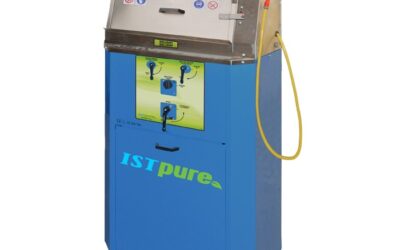
Manual vs. Automatic Spray Gun Washers: Which One Fits Your Paint Shop?
Every paint shop cleans spray guns; the question is whether it happens in a bucket of dirty thinner or in a station built for the job. Bucket washing wastes solvent, exposes painters to fumes and splash, and still leaves guns half-clean. A purpose-built spray gun...
Anilox Roll Cleaning Systems: How Dry-Media Cabinets Restore Flexo Print Quality
If your press operators are bumping ink to hit density targets, the problem usually isn't the ink — it's the anilox. Every hour of production drives ink and coating residue deeper into engraved cells. Cell volume (BCM) quietly drops, ink transfer falls with it, and...
Clean It, Then Protect It: Pairing Parts Washing with Corrosion Control
There's a moment every manufacturer knows: a batch of parts comes out of the washer clean and bright, gets set aside, and by the next shift there's a haze of flash rust on the surface. The cleaning worked. The protection didn't. Cleaning and corrosion control are two...
From Blasting to Painting: Building an Efficient Finishing Line
Most shops buy finishing equipment one piece at a time — a blast cabinet this year, a spray gun washer the next, a solvent recycler when disposal costs get painful. But blasting, painting, and cleanup aren't separate purchases. They're one connected line, and when you...
Blast Room Media Recovery Systems Explained: PARS, MARS & HARS
When parts are too big for a cabinet — structural steel, tanks, rail, heavy fabrications — you blast them in a walk-in blast room. But the room itself is only half the system. The other half, and where the economics really live, is media recovery: how quickly and how...
Automated Abrasive Blasting Systems: Turntables, Conveyors, Tumble & Robotic Sandblasting
When you blast the same part hundreds or thousands of times, hand-blasting in a cabinet stops making sense. Automated abrasive blasting systems move parts through the blast stream on turntables, conveyors, tumble belts, or robotic arms — delivering a repeatable...
Sandblast Cabinet Buyer’s Guide: Comparing Suction, Pressure & Wet Blast
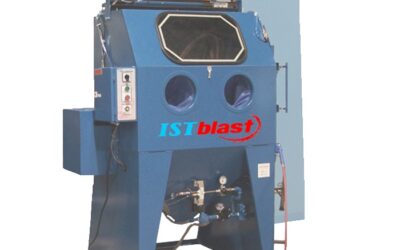
A sandblast cabinet is the most versatile blasting tool in a shop — contained, media-efficient, and equally at home stripping rust, cleaning castings, or prepping parts for paint. But "cabinet" covers everything from a benchtop hobby unit to an industrial production...
Abrasive Blasting Equipment Guide: Cabinets, Automated Systems & Blast Rooms
Abrasive blasting is where most finishing lines begin. Before a part can be painted, coated, or shipped, its surface has to be clean, profiled, and free of rust, scale, and old coatings. The right blasting equipment does that consistently — and sets up every...
How to Dispose of Parts Washer Solvent (and How Recycling Cuts the Cost)
Used parts washer solvent is hazardous waste. Here’s how to dispose of it legally, what it costs, and how on-site recycling slashes both disposal and purchase spend.
Parts Washer Filters: How to Choose the Right One and When to Change It
The right parts washer filter keeps your wash fluid clean, extends solvent life, and protects pumps and nozzles. Here’s how to pick a filter and a change schedule.
What Is a Solvent Recycling System and How Does It Work?
A solvent recycling system distills used cleaning solvent back to reusable purity on site. Here’s how these machines work, what they cost to run, and who benefits most.

How to Lay Up a Boiler for Seasonal Shutdown Without Risking Corrosion Damage
Wet vs. dry boiler lay-up explained, with a step-by-step dry lay-up procedure using VpCI powder to prevent corrosion during seasonal shutdowns.
What Is VpCI? Vapor Phase Corrosion Inhibitors, Explained Simply
If you have shopped for rust prevention, you have seen the acronyms: VCI, VpCI, vapor corrosion inhibitor. Here is what the technology actually is, how it works, and when it beats oils, greases, and desiccants. The short version VpCI stands for Vapor phase Corrosion...