

Industrial Dust Collectors & Dust Collection Systems
Sizing a dust collector?
Tell us the cabinet or blast room it serves and the media you run. We size the airflow and filters and send a free quote.
Showing all 9 results
-
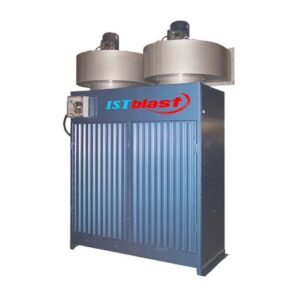
Kresco Airwall Aspiration Systems
Request a Quote -
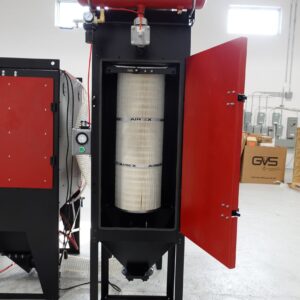
Kresco CDC Series Blast Room Dust Collectors – 2,000 to 150,000 CFM Cartridge Dust Collectors for Sandblast Booths
Request a Quote -
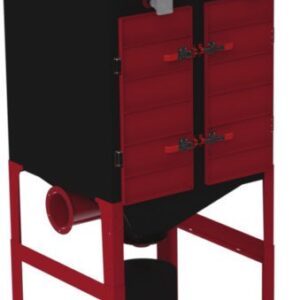
Kresco CDC Series Cartridge Dust Collectors for Blast Cabinets – CDC400, CDC600, CDC900, CDC1200, CDC1800
Request a Quote -
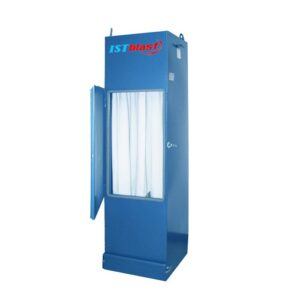
Kresco DC50 & DC100 Sandblast Cabinet Dust Collectors (Bag Type)
Request a Quote -
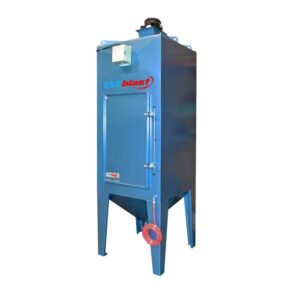
Kresco DCM100–330 Motorized Dust Collectors for Sandblast Cabinets
Request a Quote -
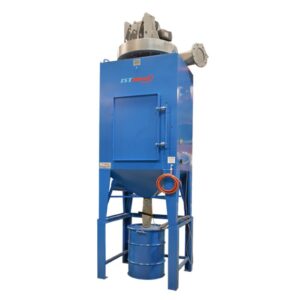
Kresco DCM200 Motorized Dust Collector for Sandblasting Rooms
Request a Quote -
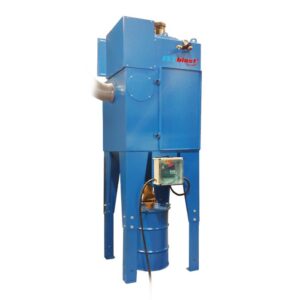
Kresco DCM600–1800 Cartridge Dust Collectors for Cabinets & Blast Rooms
Request a Quote -
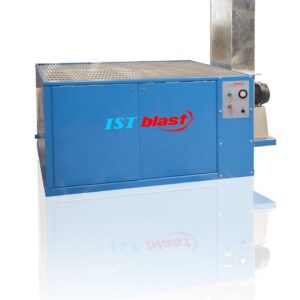
Kresco Downdraft Tables
Request a Quote -
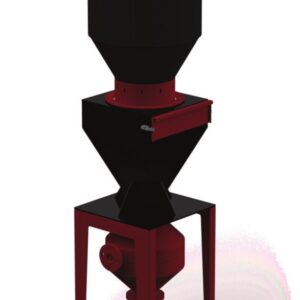
Kresco RB Series Cyclonic Media Separators (RB10–RB30)
Request a Quote
Kresco industrial dust collectors and dust collection systems for sandblast cabinets, blast rooms, and grinding, sanding and finishing stations, from compact cabinet collectors to reverse-pulse cartridge systems moving up to 150,000 CFM. Solvent Recycling Systems supplies collectors, cyclonic media separators, replacement filter cartridges and sizing help.
Choose a dust collector by application
Sandblast cabinets
DC50 and DC100 bag-type collectors: compact, affordable collectors that keep cabinet visibility high and reclaimed media clean.
DCM100–330 motorized cartridge collectors: stronger airflow and finer filtration than bag units.
CDC400–CDC1800 cartridge dust collectors: 400 to 1,800 CFM, 99% capture at 1 micron, reverse-pulse self-cleaning with a clogging indicator, and MERV 11 or nanofiber MERV 15 cartridges.
Blast rooms and sandblast booths
DCM200 motorized dust collector for smaller sandblasting rooms and enclosures.
DCM600–1800 cartridge collectors for large cabinets and smaller blast rooms.
CDC2000–CDC150000 vertical cartridge collectors: 4 to 224 cartridges, 2,000 to 150,000 CFM, reverse-pulse self-cleaning for full-size blast rooms.
Grinding, sanding and finishing stations
Downdraft tables capture dust, smoke and fines right at the work surface.
Airwall aspiration systems pull filtered air across open workstations, sanding bays and finishing areas.
Media reclaim
RB10–RB30 cyclonic media separators (400 to 1,800 CFM) sit ahead of the collector, returning reusable abrasive to the cabinet and sending only dust and fines to the filters. Less media wasted, longer filter life.
Cartridge vs. bag dust collectors
Cartridge dust collectors pack more pleated filter area into a smaller footprint, capture finer dust and clean themselves with pulses of compressed air, so airflow stays consistent through the shift. Bag-type and baghouse collectors cost less up front and handle lighter-duty work. For daily production blasting and finishing, a reverse-pulse cartridge collector is usually the better long-term buy.
Sizing a dust collection system
Dust collectors are sized by airflow (CFM). For a blast cabinet, match the CFM to the cabinet and nozzle; for a blast room, airflow comes from the room cross-section and the air velocity needed to keep the room clear. Send us your cabinet model, room dimensions, blast media and hours of operation and we’ll size the collector, ducting and filters.
Combustible dust
Aluminum and other fine metal dusts can be combustible and need a collector designed for them, with proper venting and spark protection, plus a dust hazard analysis under the applicable NFPA standards. Tell us exactly what you’re blasting or grinding before we quote.
Complete the blasting system
Pair the collector with a sandblast cabinet and blast media, and keep media flowing with a Super-Dry compressed air dryer. Degrease parts in a parts washer before blasting so oil doesn’t foul your media and filters, and protect blasted steel from flash rust with Cortec rust preventatives.
Dust collector FAQs
What size dust collector do I need?
Size the collector by airflow (CFM), not by horsepower. For a blast cabinet, match the CFM the cabinet and nozzle need; for a blast room or booth, airflow is set by the room cross-section and the air velocity needed to keep the room clear. Send us your cabinet model or room dimensions and we will size it.
Cartridge or bag dust collector: which is better?
Cartridge collectors pack more filter area into a smaller footprint, capture finer dust and clean themselves with reverse pulses of compressed air. Bag-type collectors cost less up front and suit lighter-duty cabinets. For daily production blasting, cartridge collectors are the usual choice.
How often should dust collector filters be replaced?
It depends on dust load and run hours. Self-cleaning reverse-pulse collectors extend cartridge life considerably; replace filters when pressure drop stays high after cleaning or when visibility and suction fall off. Tell us your collector model and we can supply replacement cartridges.
Can a dust collector handle combustible dust such as aluminum?
Some dusts, including aluminum and other fine metal dusts, are combustible and need a collector designed for them, with the right venting, spark protection and a dust hazard analysis under NFPA standards. Always tell us exactly what material you are blasting or grinding before we quote.
Do you have dust and fume capture for grinding and finishing stations?
Yes. Kresco downdraft tables capture dust, smoke and fines right at the work surface, and Airwall aspiration systems pull filtered air across open workstations, sanding bays and finishing areas.
Need help sizing? Request a quote and we’ll size it for you.
