
Air-Operated Diaphragm Pumps
Showing all 7 results
-

Kresco 1/2″ Air-Operated Diaphragm Pump for Solvent Recyclers – 15 GPM Solvent Transfer and Feed Pump
Request a Quote -
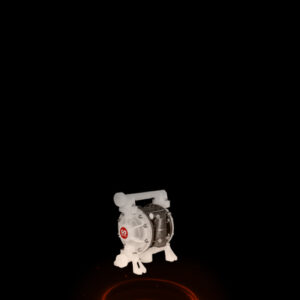
Samoa PIVOT UP03 3/8″ Air-Operated Double Diaphragm Pump – 8.2 GPM
Request a Quote -
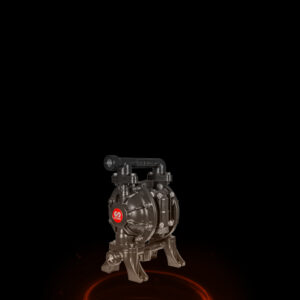
Samoa PIVOT UP05 1/2″ Air-Operated Double Diaphragm Pump – 14.3 GPM
Request a Quote -
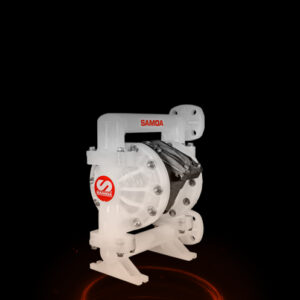
Samoa PIVOT UP10 1″ Air-Operated Double Diaphragm Pump – 53 GPM
Request a Quote -
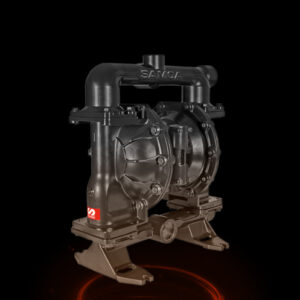
Samoa PIVOT UP15 1-1/2″ Air-Operated Double Diaphragm Pump – 125 GPM
Request a Quote -
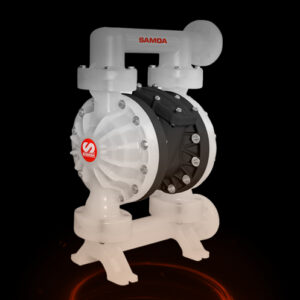
Samoa PIVOT UP20 2″ Air-Operated Double Diaphragm Pump – 170 GPM
Request a Quote -
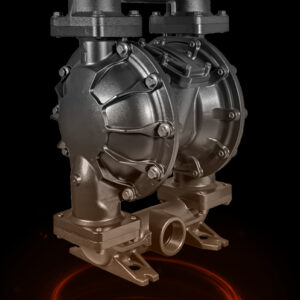
Samoa PIVOT UP30 3″ Air-Operated Double Diaphragm Pump – 265 GPM
Request a Quote
Air-operated double diaphragm (AODD) pumps move solvents, inks, coatings, chemicals, wash water and sludge on nothing but shop air. There is no motor to spark, no seal to leak and no damage if the pump runs dry. That’s why they’re the standard transfer pump around solvent recyclers, parts washers, paint booths and flexo presses.
We carry the Samoa PIVOT series from 3/8″ to 3″ in aluminum, stainless steel, polypropylene, PVDF and conductive polypropylene. Samoa’s patented PIVOT air valve passes wet, dirty air to the exhaust instead of stalling. It’s a common failure on older spool-valve pumps, and PIVOT pumps are dimensionally interchangeable with many Graco, ARO and Wilden models. We also stock the Kresco 1/2″ diaphragm pump used on SR-series solvent recyclers.
Diaphragm pump sizing guide
ModelPortMax flowMax solidsTypical useSamoa UP033/8″8.2 GPM1/16″Small-batch chemical transfer, ink and coating feedSamoa UP051/2″14.3 GPM3/32″Solvent recycler feed, drum to parts washer, paint and thinnerSamoa UP101″53 GPM1/4″Drum and tote unloading, wash solution and coolant transferSamoa UP151-1/2″125 GPM1/4″High-volume chemical and solvent transferSamoa UP202″170 GPM1/4″Tanker and tote unloading, sumps, slurriesSamoa UP303″265 GPM1/2″Bulk transfer, dewatering, sludge
Size for the flow you need, then choose a pump rated well above it. A pump running at half speed lasts much longer than one running flat out.
Choosing pump materials
FluidRecommended pump
Mineral spirits, acetone, lacquer thinner, MEK, toluene, solvent inksAluminum or stainless with PTFE diaphragms, grounded
Paints, coatings, adhesivesAluminum or stainless; PTFE or Hytrel diaphragms
Water-based cleaners, aqueous parts washer solution, coolantPolypropylene or aluminum; Santoprene diaphragms
Acids, caustics, plating chemistryPolypropylene or PVDF; PTFE diaphragms
Flammable liquids where you want a plastic pumpConductive polypropylene, grounded
Where diaphragm pumps fit in your shop
Solvent recycling: feed dirty solvent from a drum into your solvent recycler and move clean solvent back to the line.
Parts washers: fill and drain solvent parts washers and aqueous parts washers without hand-pouring.
Paint and finishing: supply paint and thinner to spray guns and spray gun washers and transfer coatings from drums and totes.
Bulk solvent: unload mineral spirits drums and totes into day tanks.
Not sure which pump you need? Send us the fluid, how much you move and how far, and we’ll quote the right configuration. Pumps ship from stock.
Diaphragm pump FAQWhat is an air-operated double diaphragm (AODD) pump?An AODD pump uses compressed air to flex two diaphragms back and forth. As one diaphragm pulls fluid into its chamber, the other pushes fluid out, with check balls keeping the flow moving in one direction. There is no electric motor, impeller or seal in contact with the fluid.Why use a diaphragm pump for solvents?An air-operated pump has no motor or electrical sparks, so it is the usual choice for moving mineral spirits, acetone, lacquer thinner and other flammable liquids. Use an aluminum or stainless pump with PTFE diaphragms and ground the pump.Can a diaphragm pump run dry?Yes. AODD pumps can run dry, self-prime and be dead-headed against a closed valve without damage. The pump simply stops when discharge pressure equals air pressure and restarts when the valve opens.What size diaphragm pump do I need?Size by flow first, then port size. A 1/2 inch pump moves about 14 GPM and suits drum transfer and solvent recycler feed. A 1 inch pump moves about 53 GPM for totes and tanks. Pick a pump rated well above the flow you need so it can run at a slower, longer-lasting speed.What is the difference between a diaphragm pump and a centrifugal pump?A centrifugal pump uses a spinning impeller and needs to be primed. It does not handle solids, viscous fluids or dry running well. A diaphragm pump self-primes, handles solids and viscous fluids, and tolerates running dry, but it delivers pulsing flow.