

Sandblasting Cabinets
Need an industrial blast cabinet?
Tell us what you blast and how many parts per shift. We match the cabinet size, blast type and dust collector and send a free quote.
Showing all 6 results
-
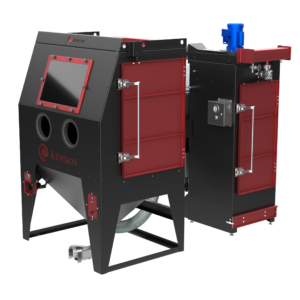
ECAB Series Industrial Sandblast Cabinets with Media Reclaimer
Request a Quote -
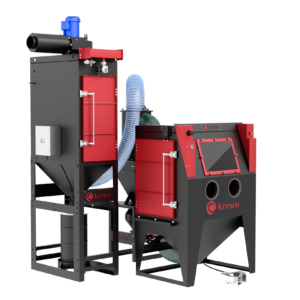
Econoblast Series Sandblast Cabinets for Light Industrial Shops
Request a Quote -
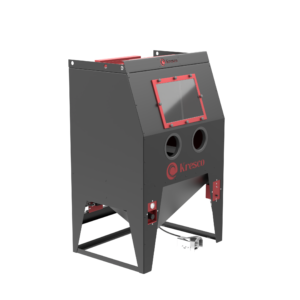
Kresco CleanBlast Series Suction Sandblast Cabinets – 4 Sizes to 48″ x 48″ with Cyclonic Reclaimer
Request a Quote -
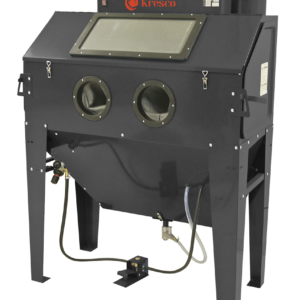
Kresco ECO420 Light-Duty Sandblast Cabinet – Glass Bead Cabinet with Built-In Dust Collector
Request a Quote -
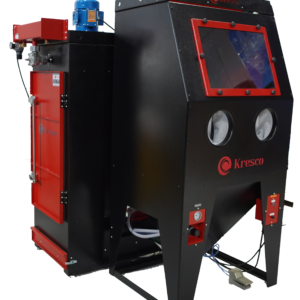
Kresco PowerBlast Series Industrial Sandblast Cabinets – Suction or Pressure, 11 Sizes to 72″ x 72″
Request a Quote -
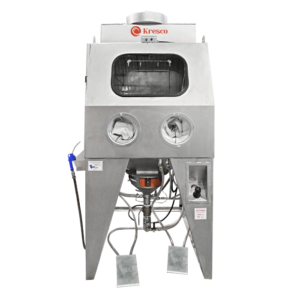
Vapor Blast Cabinet – Wet Blasting & Vapor Honing for Dust-Free Finishing
Request a Quote
Sandblasting cabinets give you contained, repeatable abrasive blasting for parts cleaning, deburring, rust and paint removal, surface prep and finishing, without the media and dust control headaches of open blasting. Whether you call it a sandblast cabinet, bead blast cabinet, media blast cabinet or abrasive blast cabinet, the job is the same: blast the part inside a sealed enclosure, recycle the media and keep the dust out of your shop.
Choosing a blast cabinet
ECO420 light-duty cabinet: entry-level glass bead cabinet with a 24″ x 22″ x 44″ work area, built-in cartridge dust collector and foot-pedal gun. Runs on 5–25 CFM at up to 125 PSI.
Econoblast Series: suction sandblast cabinets for light industrial shops blasting occasionally to moderately.
ECAB Series: blast cabinets with a built-in media reclaimer for continuous, higher-volume use.
CleanBlast Series: compact 12-gauge suction cabinets (CB2836–CB4848) with an RSB10 cyclonic media separator and CDC400 pulse-cleaned dust collector.
PowerBlast Series: heavy-duty 12-gauge industrial blast cabinets in eleven sizes up to 72″ x 72″, suction or pressure, with cyclonic reclaimer and CDC600–CDC1800 dust collectors.
Wet blast (vapor blast) cabinet: mixes abrasive with water for a smooth, bright, dust-free finish on aluminum, stainless, medical and aerospace parts.
Suction vs. pressure blasting
Suction cabinets pull media into the gun with compressed air. They’re simpler, lower cost and right for most cleaning, bead blasting and finishing. Pressure cabinets push media from a pressurized pot, blasting several times faster for heavy rust, mill scale and coatings. PowerBlast cabinets come either way.
Picking your blast media
Glass bead leaves a clean satin finish. Aluminum oxide and steel grit cut fast for paint and rust removal and create an anchor profile for coatings. Steel shot peens and cleans, and plastic media strips paint without damaging aluminum or composites. See all abrasive blast media.
Dust collection, air and accessories
A good blast cabinet dust collector keeps visibility clear and dust out of the shop, and a cyclonic reclaimer keeps reusable media in play. Wet compressed air clumps media and clogs nozzles, so pair your cabinet with a Super-Dry point-of-use air dryer. Need replacement gloves, nozzles or filters? Contact us with your cabinet model.
Bigger parts or higher volume?
For parts too large for a cabinet, look at blast rooms and sandblast booths or pressure blast pots. If you’re running a steady stream of the same parts, automated abrasive blasting systems with continuous media recovery will outproduce any manual cabinet. For precision rust and paint removal with no media at all, see laser cleaning machines.
Clean before, protect after
Oily parts contaminate blast media fast, so degrease them first in a solvent or aqueous parts washer. And freshly blasted steel can flash rust within hours: protect it with a Cortec liquid rust preventative or store it in VCI bags until it’s painted or coated.
Sandblast cabinet FAQs
What is the difference between a sandblasting cabinet and a bead blast cabinet?
It is the same cabinet. The name usually reflects the media: glass bead for a satin finish and light cleaning, aluminum oxide or steel grit for aggressive stripping and surface prep, plastic media for paint removal on delicate parts.
Suction or pressure blast cabinet: which do I need?
Suction cabinets are simpler, cost less and work well for most cleaning and finishing. Pressure cabinets blast several times faster and handle heavy rust, scale and coatings, at the cost of more compressed air.
How much compressed air does a blast cabinet need?
It depends on nozzle size and pressure. A light-duty cabinet like the ECO420 runs on 5 to 25 CFM at up to 125 PSI; larger industrial cabinets need considerably more. Size your compressor to the nozzle, and use a point-of-use air dryer to keep media flowing.
Do I need a dust collector on a blast cabinet?
Yes. A dust collector keeps visibility clear inside the cabinet and keeps dust out of your shop. CleanBlast and PowerBlast cabinets include pulse-cleaned cartridge dust collectors.
What is a media reclaimer?
A cyclonic reclaimer separates reusable abrasive from dust and fines so the cabinet keeps blasting with clean media. It cuts media consumption and gives a more consistent finish.
How do I keep blasted steel from rusting?
Freshly blasted steel can flash rust within hours in a humid shop. Apply a temporary rust preventative or store parts in VCI bags until they are painted or coated.
Not sure which cabinet fits your parts and throughput? Talk to a blasting expert and we’ll size it for you.
{“@context”:”https://schema.org”,”@type”:”FAQPage”,”mainEntity”:[{“@type”:”Question”,”name”:”What is the difference between a sandblasting cabinet and a bead blast cabinet?”,”acceptedAnswer”:{“@type”:”Answer”,”text”:”It is the same cabinet. The name usually reflects the media: glass bead for a satin finish and light cleaning, aluminum oxide or steel grit for aggressive stripping and surface prep, plastic media for paint removal on delicate parts.”}},{“@type”:”Question”,”name”:”Suction or pressure blast cabinet: which do I need?”,”acceptedAnswer”:{“@type”:”Answer”,”text”:”Suction cabinets are simpler, cost less and work well for most cleaning and finishing. Pressure cabinets blast several times faster and handle heavy rust, scale and coatings, at the cost of more compressed air.”}},{“@type”:”Question”,”name”:”How much compressed air does a blast cabinet need?”,”acceptedAnswer”:{“@type”:”Answer”,”text”:”It depends on nozzle size and pressure. A light-duty cabinet like the ECO420 runs on 5 to 25 CFM at up to 125 PSI; larger industrial cabinets need considerably more. Size your compressor to the nozzle, and use a point-of-use air dryer to keep media flowing.”}},{“@type”:”Question”,”name”:”Do I need a dust collector on a blast cabinet?”,”acceptedAnswer”:{“@type”:”Answer”,”text”:”Yes. A dust collector keeps visibility clear inside the cabinet and keeps dust out of your shop. CleanBlast and PowerBlast cabinets include pulse-cleaned cartridge dust collectors.”}},{“@type”:”Question”,”name”:”What is a media reclaimer?”,”acceptedAnswer”:{“@type”:”Answer”,”text”:”A cyclonic reclaimer separates reusable abrasive from dust and fines so the cabinet keeps blasting with clean media. It cuts media consumption and gives a more consistent finish.”}},{“@type”:”Question”,”name”:”How do I keep blasted steel from rusting?”,”acceptedAnswer”:{“@type”:”Answer”,”text”:”Freshly blasted steel can flash rust within hours in a humid shop. Apply a temporary rust preventative or store parts in VCI bags until they are painted or coated.”}}]}
